

A powerful new synthetic opioid has crossed into California, and health officials say it may be far more dangerous than the drug already driving the nation's overdose crisis. Cychlorphine, first identified by the DEA in a Florida lab in 2024, has now been detected in the San Francisco Bay Area — raising concern that it could spread further into the state, including the Central Valley.
What Is Cychlorphine?
Cychlorphine, known scientifically as N-propionitrile chlorphine, is believed to be up to 10 times stronger than fentanyl, meaning even a very small dose can be lethal. It first appeared in the illegal drug supply roughly two years ago and has since spread across multiple U.S. regions, including the Southeast, the Midwest, and now California.
According to DEA officials, the agency first encountered cychlorphine in 2024 at a laboratory in Florida, and has since recorded about 100 seizures nationwide, including roughly 35 so far this year. Investigators believe the drug is being trafficked into the U.S. from Mexico by cartel networks before reaching states like California.
How Cychlorphine Reached California
The drug has recently been detected in the San Francisco Bay Area, prompting concerns that it could eventually reach the Central Valley. Much like fentanyl before it, cychlorphine doesn't stay confined to one region for long — it tends to move along the same trafficking corridors as other synthetic opioids.
A DEA assistant special agent noted that cychlorphine has already turned up mixed into other narcotics. Agents have seen it combined with drugs like cocaine and heroin, and it could also be laced onto substances that people smoke. That unpredictability is part of what makes it so dangerous — users often have no idea the drug is even present.

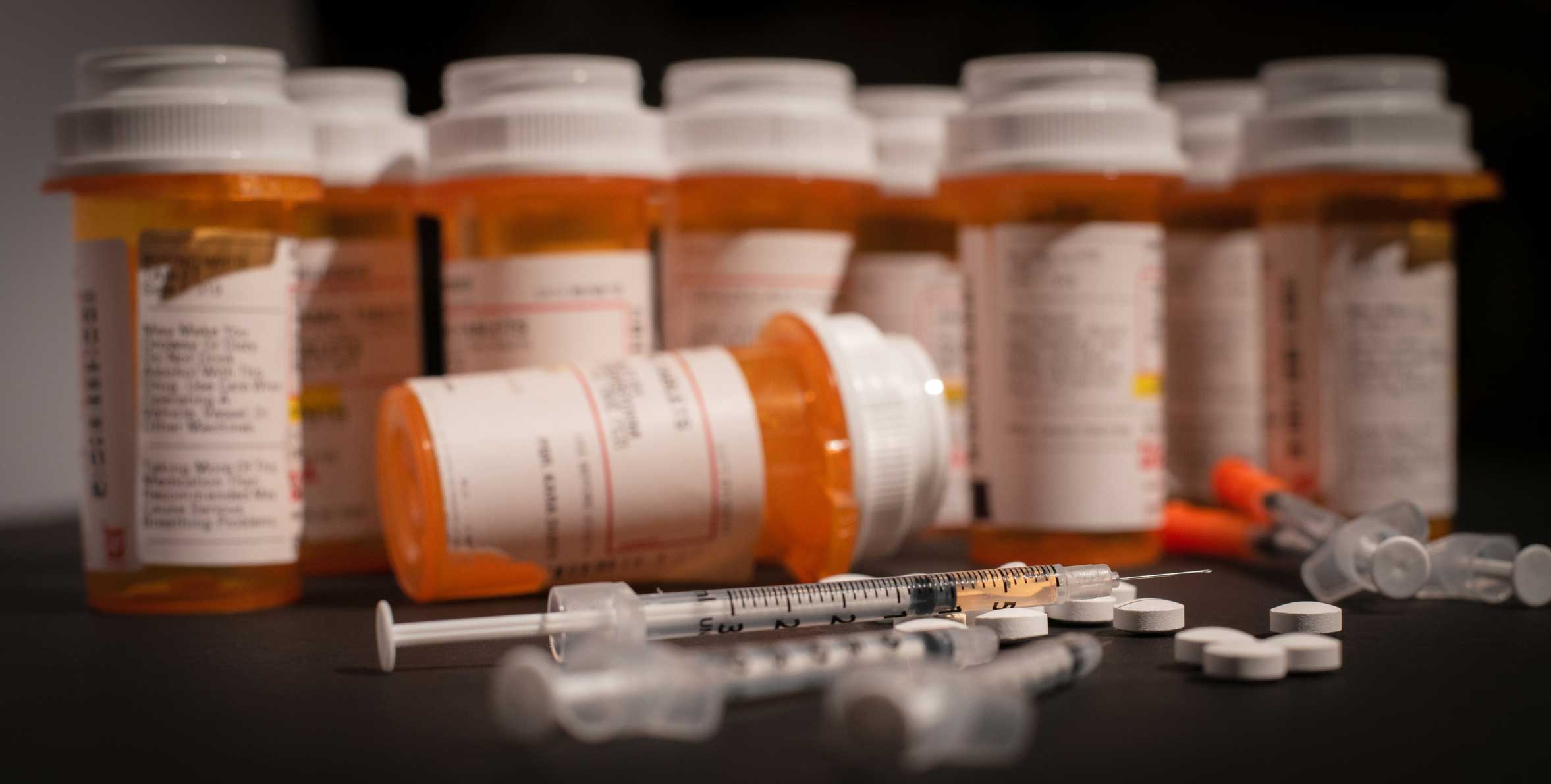
Why Cychlorphine Is So Dangerous
Health experts across the country have echoed the same warning: cychlorphine's extreme potency leaves almost no margin for error. One mother whose son died from a fentanyl overdose explained that if fentanyl is 100 times more potent than morphine, cychlorphine's added strength puts it at roughly 500 to 1,000 times more potent than morphine — a level of risk she described as leaving no room for mistakes.
Several other factors compound the danger:
- It doesn't show up on standard fentanyl test strips, so users and even some treatment providers can't easily confirm its presence.
- It can be disguised in counterfeit pills made to look like legitimate prescription medications.
- Reversing an overdose is harder — cases involving cychlorphine may require multiple doses of naloxone (Narcan) instead of just one.
- Trace amounts can be fatal. Experts have compared a lethal dose to something smaller than the tip of a pencil.
A Growing National Pattern
California isn't the first state to report cychlorphine. Health departments and treatment centers in North Carolina, Louisiana, Tennessee, Missouri, and Wisconsin have all issued similar warnings in recent months. In Tennessee, a regional forensic center linked preliminary toxicology results in more than a dozen deaths to the drug. In Louisiana, a New Orleans-area treatment center reported overdose deaths tied to cychlorphine within weeks of it first appearing locally.
Public health experts describe this as part of a broader, ongoing pattern in the opioid crisis: as enforcement targets one substance, new synthetic compounds emerge to take its place, each with unique detection and treatment challenges.

What California Residents Should Know
Signs of an opioid overdose can include slowed or stopped breathing, extreme drowsiness, pinpoint pupils, blue-tinged lips or fingertips, and unresponsiveness.
If you suspect an overdose:
- Call 911 immediately.
- Administer naloxone (Narcan) if available — be prepared to give more than one dose.
- Stay with the person and monitor their breathing until help arrives.
- Perform rescue breathing if trained and necessary.
Prevention steps:
- Avoid using pills that aren't from a licensed pharmacy, even if they look identical to a prescription.
- Never use alone — have naloxone on hand.
- Keep in mind that fentanyl test strips will not reliably detect cychlorphine.
- Talk to family members, especially teenagers, about the risks of counterfeit pills. National data shows awareness of fentanyl-laced pills has risen sharply among teens in recent years, but far fewer see real danger in a pill handed to them by a friend versus a stranger — a gap that matters just as much for newer drugs like cychlorphine.
The Bottom Line
Cychlorphine's arrial in California marks the latest escalation in a synthetic opioid crisis that keeps outpacing detection and treatment tools. With potency estimated at up to 10 times that of fentanyl, health officials are urging heightened awareness, wider naloxone access, and continued public education as the drug's footprint expands across the state and the country.