
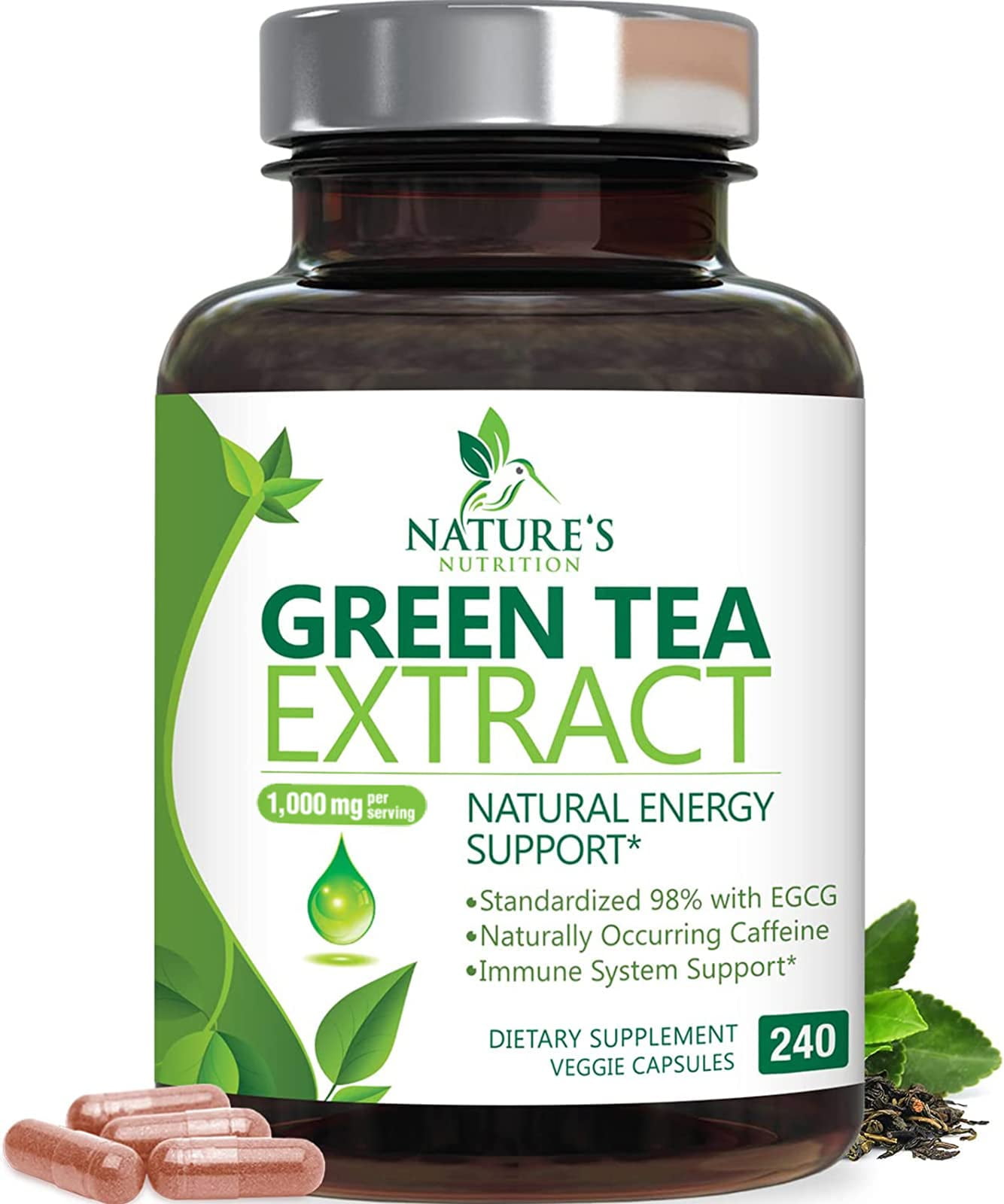
What Is Green Tea Extract?
Green tea extract (GTE) is a concentrated form of the compounds found in the leaves of Camellia sinensis, the plant used to make green tea. Catechins are the key active group, and epigallocatechin gallate (EGCG) is the main one in green tea. Catechins are a group of compounds found in tea, fruit, chocolate and wine, belonging to a group of phytonutrients called flavonoids. nutraingredients
Making an extract concentrates these catechins. It can also remove other components: producing an extract from the tea leaves results in concentrated catechin levels and removes other components such as caffeine. Many supplements add caffeine back or use decaffeinated extract, so labels vary widely. food
Green tea extract vs. brewed green tea: the difference in dose is large. Most supplements provide an intake of 5 mg to 1,000 mg, while tea infusions typically contain only 90 mg to 300 mg, according to the European Food Safety Authority (EFSA). A cup of tea and a capsule are not equivalent. businesslive
Green Tea Extract Benefits: What the Research Shows
Most of the evidence comes from randomized controlled trials and meta-analyses. Results are generally modest rather than dramatic.
1. Cholesterol and heart health
This is where the evidence is most consistent. A systematic review of 20 randomized trials with 1,536 participants found significant reductions in systolic blood pressure, total cholesterol, and LDL cholesterol. The same review noted the blood pressure effect was small, while the cholesterol effect appeared moderate. breakawaymatcha
Another meta-analysis found green tea catechins may improve blood pressure, with a possibly greater effect in people whose systolic pressure is 130 mm Hg or higher. nih
2. Weight and waist circumference
Green tea extract for weight loss is the most searched claim, and the most overhyped. A 2023 meta-analysis in overweight and obese adults found green tea catechins reduced waist circumference and triglycerides and increased HDL cholesterol, but had no significant effect on blood pressure. The authors described the benefit as moderate, and the waist reduction was only about 1.4 cm on average. doaj
In practical terms, green tea extract may give a small boost alongside diet and exercise. It is not a stand-alone weight-loss solution.
3. Metabolic health
Most studies finding beneficial metabolic effects used 600–900 mg of tea catechins per day for at least 12 weeks. That range sits close to the safety ceiling discussed below, which is why dose matters so much. peacehealth
4. Antioxidant and skin uses
EGCG is a well-studied antioxidant, and green tea extract is common in topical skincare products. The evidence for skin benefits from oral supplements is thinner than for the cardiovascular outcomes above, so treat those claims cautiously.
Green Tea Extract Risks and Side Effects
The main safety concern is the liver. EFSA's 2018 assessment concluded that green tea infusions are generally safe, but that EGCG supplementation above 800 mg per day may cause liver damage. It also said it could not identify an EGCG dose from these supplements that could be considered entirely safe.
Key facts to know:
- The risk is rare and unpredictable. The UK Committee on Toxicity noted that these liver cases reflect idiosyncratic reactions, meaning they are rare, unpredictable, and linked to an individual's genetic makeup. A person may not know they are susceptible before taking a supplement.
- Below 800 mg/day looks safer, but not risk-free. In the trials reviewed, there was no evidence of liver toxicity below 800 mg EGCG per day for up to 12 months, although liver toxicity was reported for one specific product containing 375 mg EGCG.
- Regulators have acted. Under EU rules, a daily serving of green tea extract in foods and supplements must contain less than 800 mg of EGCG, and labels must state that the 800 mg daily total must not be exceeded.
- Other reported effects in trials include rash, abdominal discomfort, and, from caffeine-containing products, jitteriness or sleep disruption.
Who should be cautious or avoid it
Check with a doctor or pharmacist before taking green tea extract if you:
- Have liver disease or have had liver problems
- Are pregnant or breastfeeding
- Take prescription medication, since catechins and caffeine may interact with some drugs
- Are sensitive to caffeine
Stop taking it and seek medical advice if you notice dark urine, yellowing of the skin or eyes, severe fatigue, or upper abdominal pain.
How to Choose a Safe Green Tea Extract Supplement
- Check the EGCG content per serving, not just "green tea extract" in milligrams, and keep the total daily amount under 800 mg.
- Take it with food. Some reports suggest taking concentrated extracts on an empty stomach may raise risk, so follow label directions.
- Look for third-party testing (such as USP, NSF, or ConsumerLab seals) to confirm the label is accurate.
- Avoid stacking products. Fat burners, pre-workouts, and multivitamins often contain green tea extract too, so your combined intake can climb quickly.
- Consider brewed green tea first. It delivers catechins at far lower, well-tolerated doses.
Green Tea Extract vs. Green Tea: Which Is Better?
| Brewed green tea | Green tea extract | |
|---|---|---|
| Catechin dose | Low (roughly 90–300 mg) | High (up to 1,000 mg) |
| Safety record | Long history of safe use | Rare liver injury reported |
| Evidence base | Large observational and trial data | Trials at concentrated doses |
| Convenience | Requires brewing | Capsule or powder |
| Best for | Daily general wellness | Short-term, supervised use |
Frequently Asked Questions
The Bottom Line
Green tea extract can offer modest benefits, especially for cholesterol and, to a smaller degree, blood pressure and waist size. But the concentrated dose is what creates the liver risk, so keep EGCG under 800 mg per day, choose tested products, and talk to a healthcare provider first if you have any health conditions or take medication. If you mainly want the antioxidants, a few cups of brewed green tea are the lower-risk route.
This article is for information only and is not medical advice.