
Seasonal allergies affect millions of people every year, especially during spring and fall. Sneezing, itchy eyes, congestion, and fatigue can make everyday life uncomfortable. Understanding what causes seasonal allergies and learning how to manage symptoms can help you breathe easier and stay healthy throughout allergy season.
What Are Seasonal Allergies?
Seasonal allergies, also known as hay fever or allergic rhinitis, occur when the immune system reacts to airborne allergens such as pollen, mold spores, or grass. These allergies usually appear during certain times of the year when plants release pollen into the air.
Common Seasonal Allergy Triggers
- Tree pollen in spring
- Grass pollen in summer
- Weed pollen in fall
- Mold spores during humid weather
- Dust and air pollution
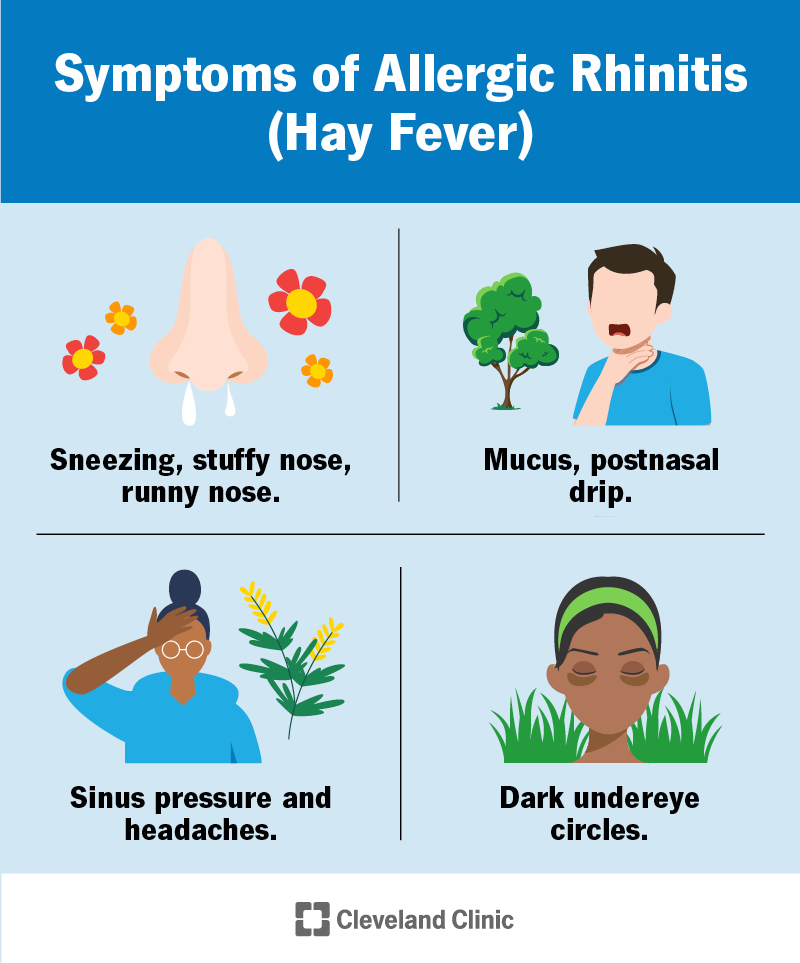
Common Symptoms of Seasonal Allergies
People experience allergy symptoms differently, but the most common signs include:
- Sneezing
- Runny or blocked nose
- Itchy eyes, nose, or throat
- Watery eyes
- Coughing
- Fatigue
- Sinus pressure
- Headaches
Some individuals may also experience worsening asthma symptoms during allergy season.
1: Person Sneezing During Allergy Season
What Causes Seasonal Allergies?
Seasonal allergies happen when your immune system mistakes harmless substances like pollen for dangerous invaders. The body releases histamines and other chemicals that trigger allergy symptoms.
Main Causes Include:
- Pollen Exposure – The leading cause of seasonal allergies.
- Weather Changes – Windy days spread pollen more easily.
- Genetics – Allergies often run in families.
- Weak Immune Response – Some people are more sensitive to allergens.
What Causes Seasonal Allergies?
Seasonal allergies happen when your immune system mistakes harmless substances like pollen for dangerous invaders. The body releases histamines and other chemicals that trigger allergy symptoms.
Main Causes Include:
- Pollen Exposure – The leading cause of seasonal allergies.
- Weather Changes – Windy days spread pollen more easily.
- Genetics – Allergies often run in families.
- Weak Immune Response – Some people are more sensitive to allergens.
2: Pollen on Flowers

How Seasonal Allergies Amagere Diagnosed
Doctors may diagnose allergies through:
- Physical examination
- Skin prick tests
- Blood tests
- Reviewing medical history and symptoms
Proper diagnosis helps determine the exact allergen causing the reaction.
Effective Treatments for Seasonal Allergies
Fortunately, several treatments can reduce allergy symptoms and improve quality of life.
1. Antihistamines
These medications block histamine reactions and help reduce sneezing and itching.
2. Nasal Sprays
Steroid nasal sprays help reduce inflammation and congestion.
3. Decongestants
These provide temporary relief for blocked noses.
4. Allergy Shots (Immunotherapy)
Long-term treatment that helps the body become less sensitive to allergens.
5. Natural Remedies
- Saline nasal rinses
- Steam inhalation
- Honey and herbal teas
- Staying hydrated
3: Allergy Medicine and Nasal Spray

Tips to Prevent Seasonal Allergies
You can lower exposure to allergens with a few simple habits.
Prevention Tips
- Keep windows closed during high pollen days
- Use air purifiers at home
- Shower after outdoor activities
- Wear sunglasses outdoors
- Avoid gardening during peak pollen times
- Clean carpets and bedding regularly
4: Air Purifier in a Clean Home

Best Foods for Allergy Support
Certain foods may help support the immune system and reduce inflammation.
Helpful Foods
- Citrus fruits
- Ginger
- Turmeric
- Green tea
- Yogurt with probiotics
- Leafy green vegetables
Eating a healthy diet may help the body better cope with seasonal allergies.
5: Healthy Foods for Allergy Relief

When to See a Doctor
You should consult a healthcare professional if:
- Symptoms last for weeks
- Breathing becomes difficult
- Over-the-counter medicines do not help
- Allergy symptoms affect sleep or daily activities
Severe allergies may require specialized treatment.
6: Doctor Consulting Patient About Allergies

Final Thoughts
Seasonal allergies can be frustrating, but understanding their causes, symptoms, and treatment options can make them easier to manage. By reducing exposure to allergens, using proper medications, and maintaining a healthy lifestyle, you can enjoy the changing seasons with fewer allergy problems.